


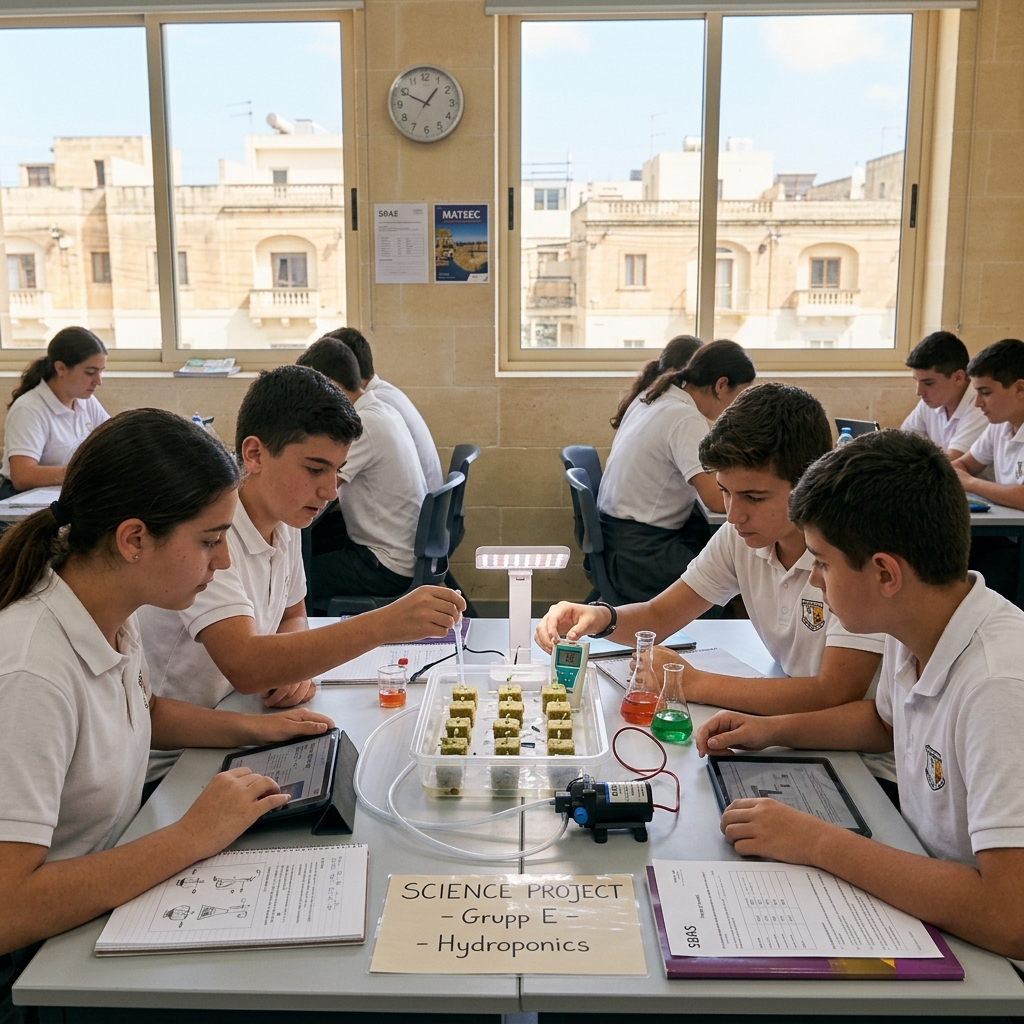
For students in Malta who are currently in Years 9, 10 and 11, Secondary Education Certificate (SEC) examinations constitute their first major step towards their academic future. Many parents and students are already familiar with O-level exams taken at the end of Year 11, but School-Based Assessments (SBAs) are a relatively recent addition.
As part of the updated Maltese Education System, the MATSEC assessment structure now combines school-based work with the final examination. This means that students’ performance throughout their final three years of secondary education will contribute to their final MATSEC results.
Whether you are a student preparing for your SEC examinations or a parent trying to understand the changes, it is important to understand how the School-Based Assessment system works.
How Does a School-Based Assessment Work?
School-Based Assessments allow students to be assessed throughout the scholastic year, by means of a variety of projects and assignments.
For many SEC subjects, the SBA contributes 30% of the overall result, while the remaining 70% comes from the SEC Controlled Assessment examination. MATSEC receives three SBA marks from schools, which reflect students’ achievements in Years 9, 10 and 11.
This means that students should not view their SBA work as something separate from their SEC preparation. The work completed throughout the school years can have a direct impact on their final grade. The Matsec grading system has also been changed recently, from the previous 1-5, 6-7 and U grades to the attribution of an MQF Level.
Why do SBAs matter?
One of the biggest advantages of continuous assessment is that students have multiple opportunities to demonstrate their knowledge and skills.
For example, a student who performs particularly well during their SBA but is less successful during the final examination may still benefit from the marks they have accumulated throughout their secondary education. The updated system can therefore provide students with a more balanced way of demonstrating their abilities.
However, this does not mean that students can ignore the final examination. Both the SBA and the controlled assessment are important components of the overall assessment system.
What types of tasks are included in School Based Assessments?
The exact format of an SBA depends on the subject and the learning outcomes being assessed. Schools have flexibility in how assessments are designed, meaning that students may encounter different types of activities throughout their studies.
These can include:
- Projects and presentations
- Practical activities and experiments
- Classwork and homework
- Oral questioning and communication tasks
- Research and case studies
- Performance tests
- Other subject-specific activities
For example, subjects involving practical or applied skills may place greater emphasis on projects, investigations or performance-based activities. This variety is one of the main purposes of SBA: it allows students to demonstrate their abilities in ways that go beyond a traditional written examination.
How can students stay on top of their SBAs?
With assignments and assessments taking place throughout the school year, being prepared and organised is extremely important. Below are a few tips to help secondary students manage and succeed at your School Based Assessments:
1. Keep Track of Deadlines
Write down important SBA deadlines as soon as they are announced. A calendar, planner or phone reminder can help prevent several assignments from piling up at the same time.
2. Don’t Leave Projects Until the Last Minute
An SBA project may involve research, preparation, writing and editing. Starting early gives you time to fix mistakes and improve your work before submitting it.
3. Pay Attention to Teacher Feedback
Teachers can help students understand which areas of their work need improvement. Treat feedback as an opportunity to improve rather than simply as a mark.
4. Balance SBA Work With Exam Preparation
SBAs are important, but the final SEC examination still makes up a substantial part of the assessment. Maintaining a balance between coursework and revision can help students avoid unnecessary stress as the examinations approach.
A Different Approach to SEC Assessments
The introduction of School-Based Assessment represents an important and progressive milestone in secondary education in Malta. Instead of relying solely on a final examination in each subject, the system gives students several opportunities to demonstrate their knowledge and skills throughout Years 9, 10 and 11.
For students, this means that consistent effort matters. For parents, understanding the SBA system can make it easier to support their children with deadlines, projects and exam preparation.
Ultimately, the best approach is simple: take every assessment seriously, stay organised and avoid leaving everything until the final few months.